

Yes, schema markup still matters in 2026. Just not for the reason most marketing teams assume. It won't move you up a ranking that doesn't exist anymore. It will decide whether ChatGPT confidently states your pricing wrong every time someone asks about you for the next six months.
That's the actual stake of this work. The rest of this post is what's worth doing, what's busywork, and how to know the difference.
What schema actually does for an AI model
AI models reading the web have one constant problem: extracting reliable facts from messy HTML. Marketing copy hedges. Visual layout doesn't map to data. The model has to guess what's the price, what's the rating, what's the brand name, what's a customer testimonial vs an editorial review. Most of the time it guesses well. Some of the time it doesn't.
Structured data removes the guess. A Product schema tells the model that the number on the page IS the price, not a phone number. An AggregateRating tells it the 4.7 IS the average review score, not a survey statistic. An Article schema tells it the date IS when this was published, not when an unrelated event happened.
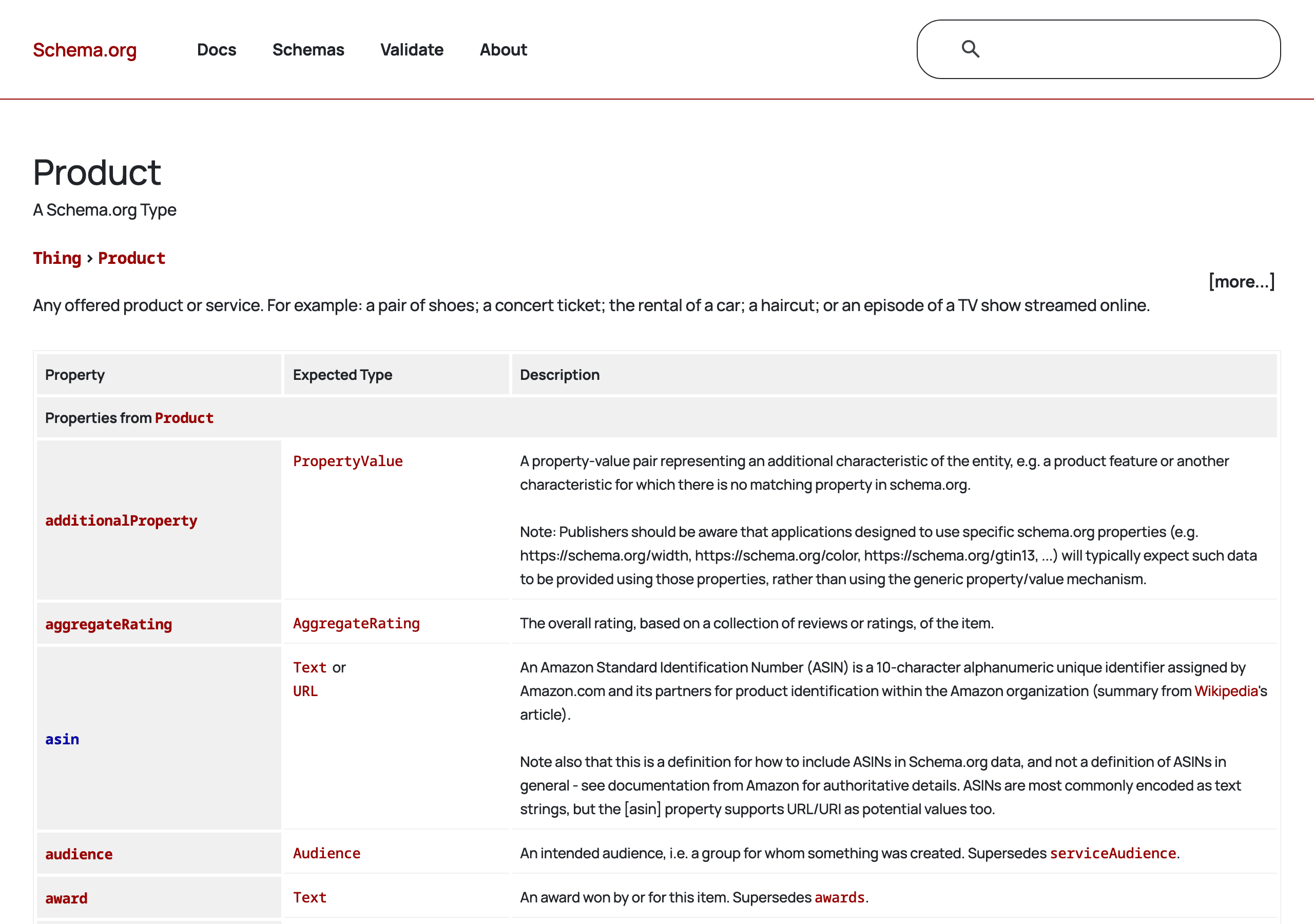
Schema doesn't decide whether you get cited. It decides whether the AI gets the facts right when it does. That's the entire pitch.
The accuracy argument is the real argument
An AI model that hallucinates your pricing doesn't just get one answer wrong. It gets every answer wrong, to every prospect asking that question, for as long as the misunderstanding persists. Worse, the wrong number tends to be specific (you become 'the $99/month tool' when you charge $149) which makes it harder for the model to self-correct from softer signals.
Clean structured data is the cheapest defense against this. The model defaults to the machine-readable source instead of guessing from page copy. For any brand where pricing, category placement, or product attributes drive trust or conversion, the ROI calculation is uncomfortable: a few hours of structured-data work vs every AI answer about you being subtly wrong for the next year.
Three schemas worth your time. Skip the rest.
If you only have one afternoon for schema work, here's the prescriptive list. These three carry the weight.
Organization schema, with sameAs links to your LinkedIn, Crunchbase, Wikipedia entry if you have one, and the review platforms where you have profiles. This is what tells the model 'these are all the same brand.' Without it, AI models routinely confuse similarly-named companies and attribute one company's facts to another.
Product schema with Offer + AggregateRating, on every product or pricing page. The Offer object pins your price. The AggregateRating pins your review score. Both are the most-hallucinated facts about software and consumer products. Pin them.
Article schema with author and dateModified, on every blog post and guide. AI models weight recency. Articles with no dateModified field default to whatever date the model can scrape, which is often wrong. Pages claiming to be 'updated for 2026' but missing structured dates lose to ones that prove it in markup.
Everything else (FAQPage, HowTo, BreadcrumbList, ImageObject) is supporting cast. Useful where it genuinely fits the page. Not worth retrofitting if it doesn't.
Validate or don't bother
Broken schema is worse than no schema. If your markup throws errors in Google's Rich Results Test, you're signalling sloppiness to systems that already have to decide whether your site is trustworthy. The bar is binary: it parses or it doesn't.
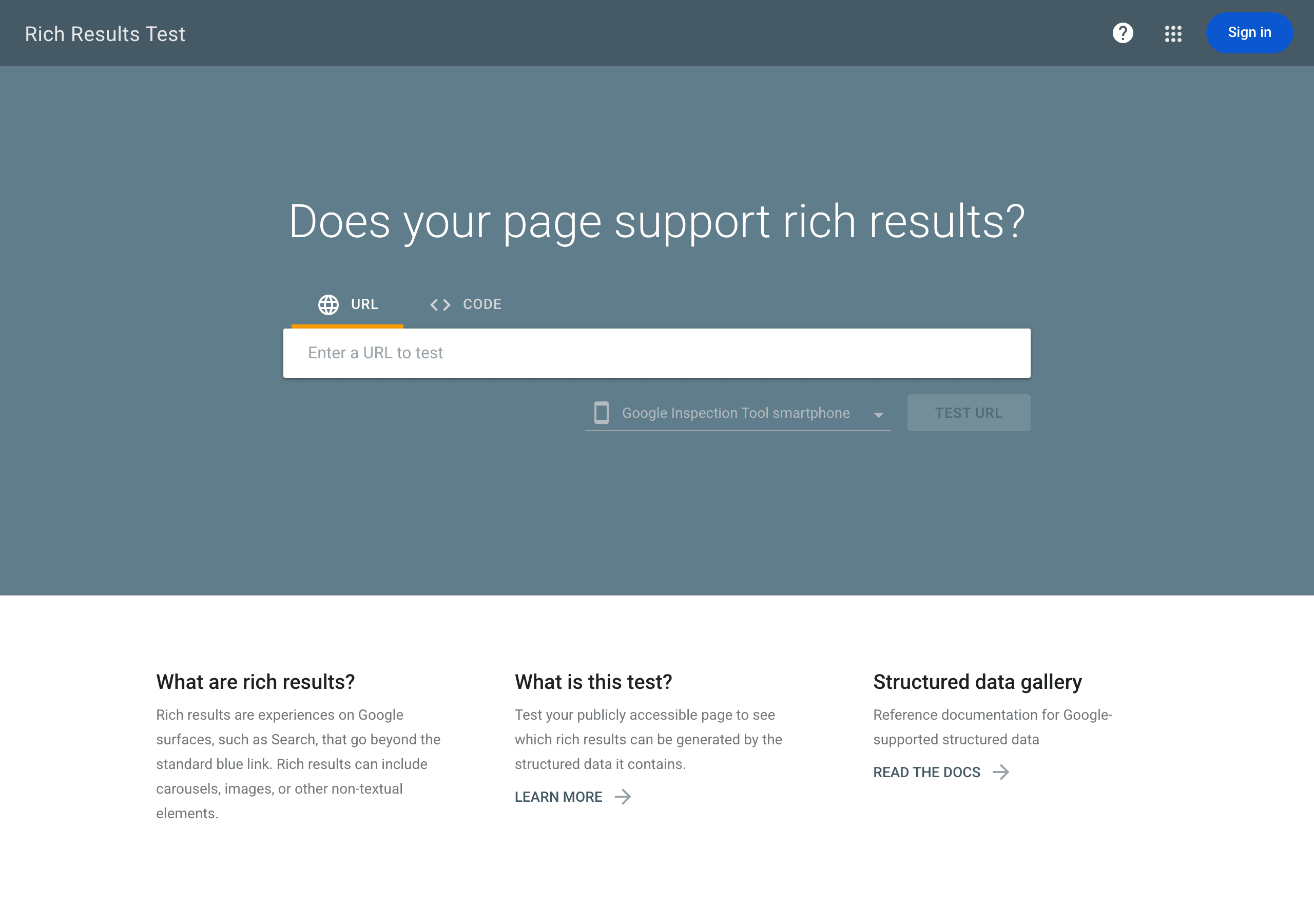
Run every important page through it. Anywhere you've added schema, validate. If you're using a CMS that auto-generates schema (Shopify, WordPress with Yoast, Webflow templates) you'll often find one or two fields that quietly broke after a theme update. Fix those before adding new ones.

Want to get recommended by AI?
Check your AI search visibility, then let the Honeyb agent write, fix, and earn what gets you recommended. Free to start.
What schema absolutely will not do
Schema is the most over-promised technical lever in AI visibility. It's worth being clear about what it doesn't do.
It won't get you cited by ChatGPT if the rest of your story is weak. The decision to recommend you happens upstream, in third-party validation, community presence, and editorial coverage. Schema affects the answer's accuracy, not its existence.
It won't compensate for low domain authority. AI models trust well-known sources. Adding twelve schemas to a brand-new site won't change that.
It won't replace good content. AI models cite the writing they can extract from cleanly. Markup makes extraction easier; it doesn't write the content.
If your team is debating whether to invest a quarter in schema work vs a quarter in earned media and review platforms, pick the second. Schema is a half-day of focused work that compounds. It's not a strategy.
The llms.txt question, with a recommendation
A newer convention worth mentioning: the llms.txt standard for AI-readable sites, a markdown file at your domain root that tells AI crawlers which pages on your site matter most. Different from robots.txt (which controls access) and sitemap.xml (which lists everything). llms.txt is editorial. You're saying 'if you're going to summarise this site, here are the canonical pages to draw from.'
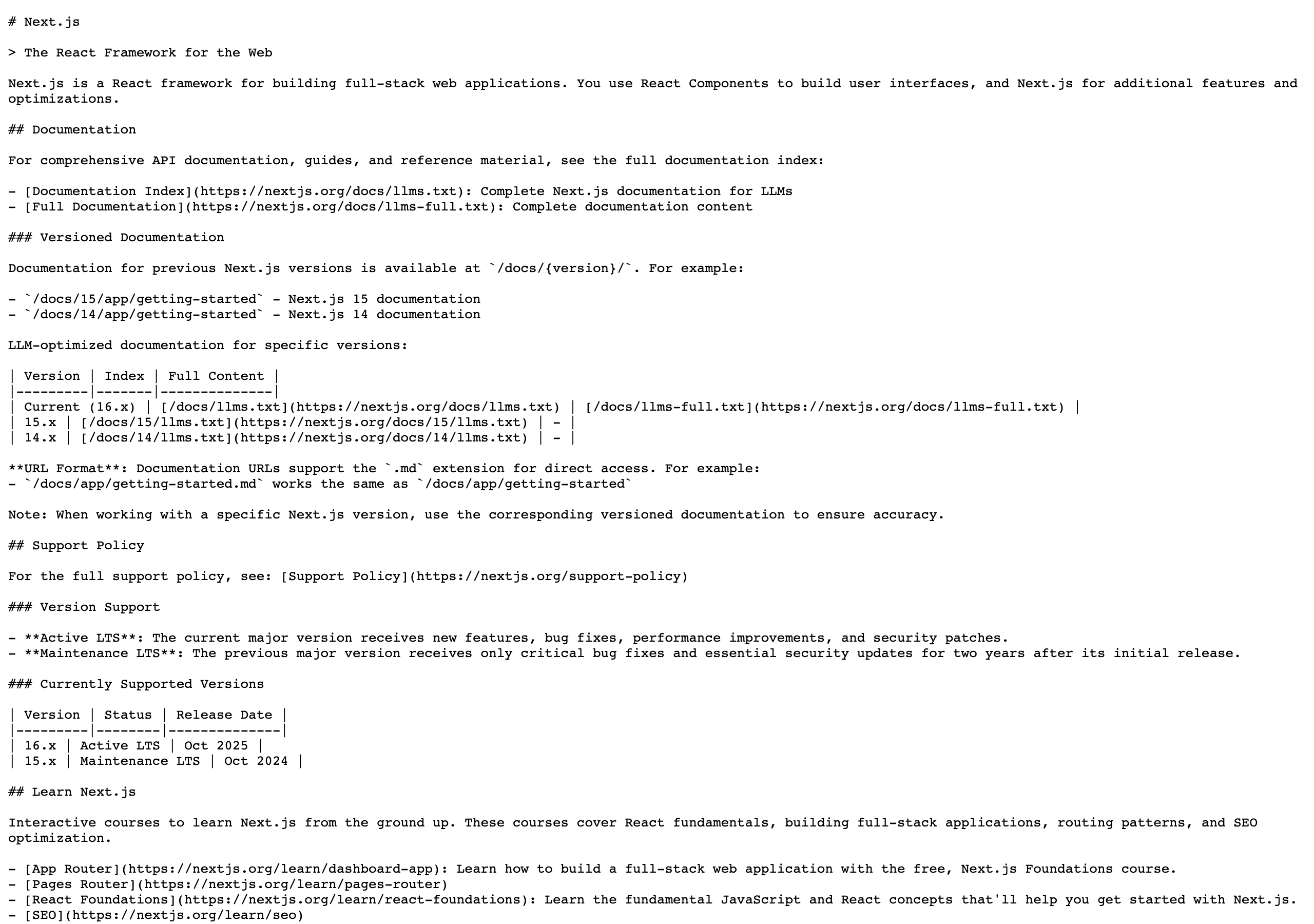
Adoption is still early. The standard is evolving. Anthropic, Mintlify, Next.js, and a growing list of dev-focused brands have shipped one. The recommendation: if you have docs or a guide library, add llms.txt this quarter. It's a half-hour of work and removes ambiguity for the crawlers that read your site every day. If your site is purely marketing pages with no canonical 'reference' content, wait six months and reassess.
What to do this week
Three concrete moves, ranked by impact:
1. Validate what you already have. Run your top 10 pages through Google's Rich Results Test. Fix anything broken before adding anything new. This catches the most common cause of AI hallucinations about brands: schema that the team thinks is working but isn't.
2. Add the three schemas above if they're missing. Organization on the homepage. Product + Offer + AggregateRating on product pages. Article with dates on every blog post. Validate after each.
3. Add an llms.txt if you have docs, guides, or any content surface you'd want an AI to draw from preferentially. Skip it if you're a single-page marketing site.
For the wider framework on how AI models pick which brands to recommend, see our generative engine optimization guide. Schema is one of five pillars there, and the article is honest about which one carries more weight than this.