
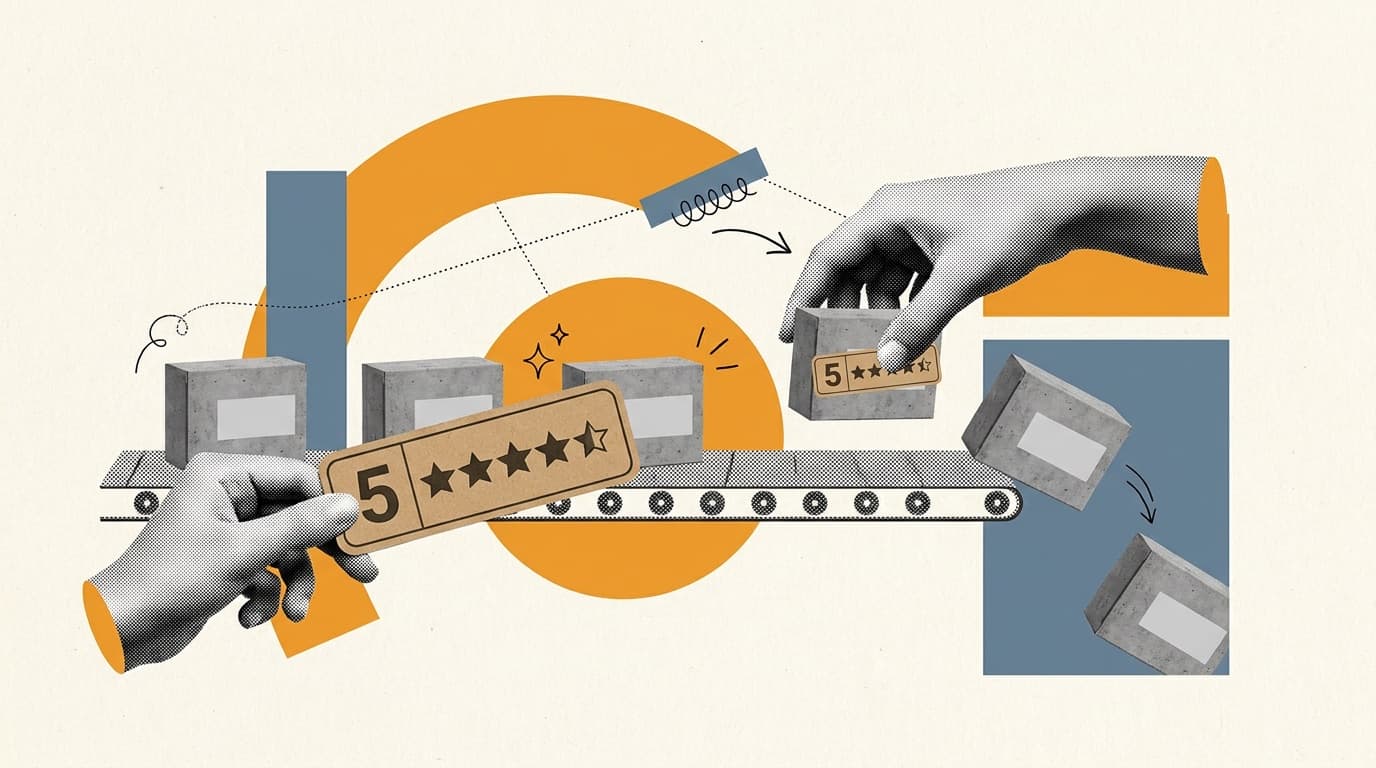
Review sites used to be a checkbox. Set up the profile, ask a few happy customers for stars, move on. That posture used to be fine. In 2026, it's actively costing brands AI visibility. Trustpilot, G2, Capterra, Sitejabber, and Yelp have quietly become one of the strongest signals AI models use to decide which brands to recommend. The data on this is no longer ambiguous.
The headline numbers
SE Ranking's analysis of ChatGPT citations found that domains with active profiles on platforms like Trustpilot, G2, and Capterra have 3x higher chances of being cited compared to sites without such presence. For Perplexity, online reviews account for roughly 31% of the recommendation signal, second only to authoritative list mentions at 64%.
That's not a vanity finding. It means the difference between being in the AI's recommendation set and being invisible often comes down to whether your category-relevant review platforms have a healthy profile of you.
Why AI models lean so heavily on review platforms
Review sites solve a problem that AI models have to solve constantly: how do you prove a brand is real, used, and credible without taking the brand's word for it. A well-populated Trustpilot or G2 page is essentially a structured, third-party audit trail. It contains independent voices, dated entries, verifiable user identities in many cases, and aggregated sentiment.
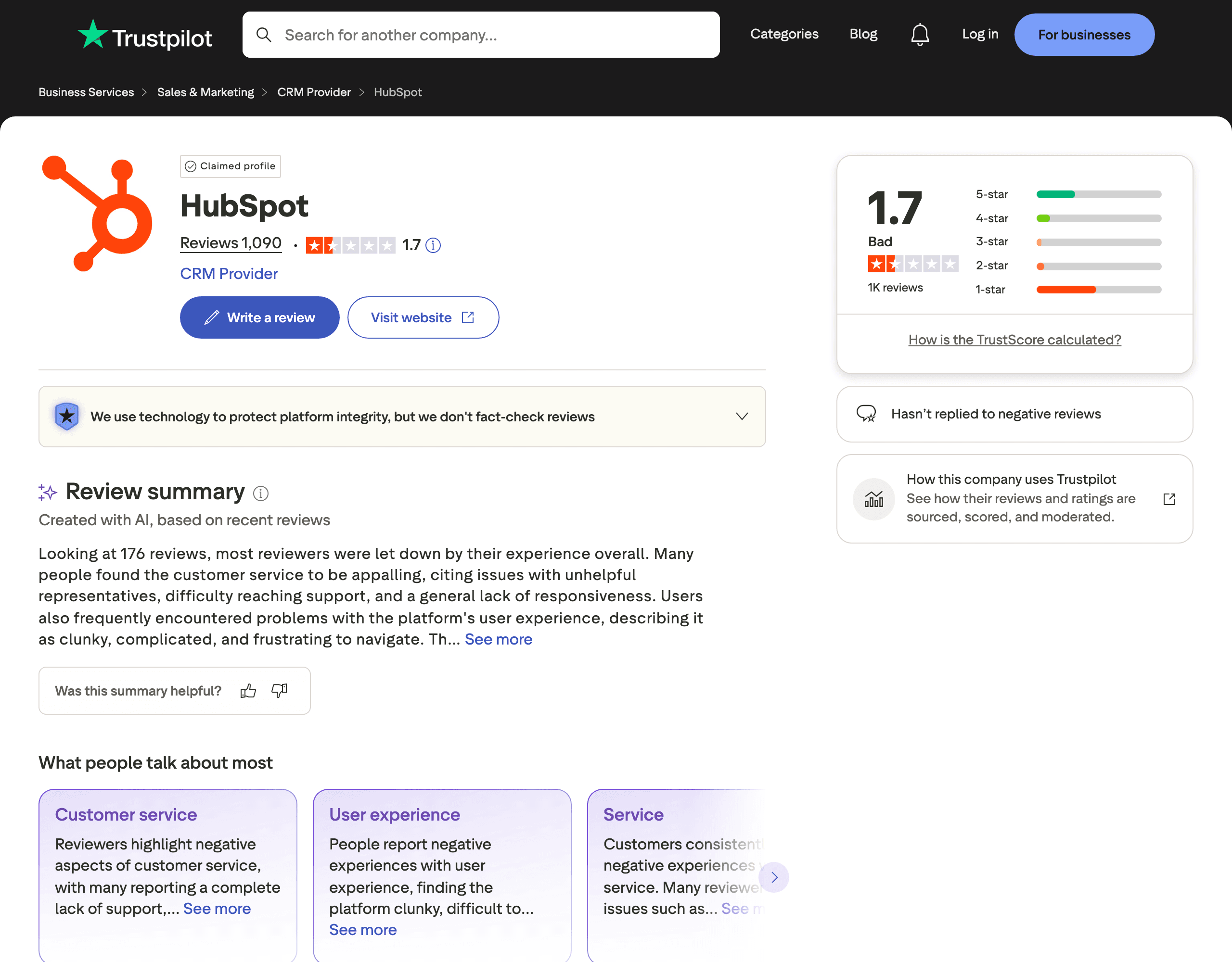
From an LLM's perspective, that's the cleanest possible kind of evidence. It's structured enough to extract from, diverse enough to read as legitimate, and persistent enough to remain valid over time.
Three properties make review sites unusually citable.
- Aggregated sentiment that's hard to fake at scale
- Long-form review text that gives the model specific, citable language
- Structured metadata such as star ratings, review counts, and review dates
Which platforms matter for which categories
Not every review site carries equal weight. The platform-category fit matters significantly.
- B2B SaaS: G2, Capterra, TrustRadius, and Software Advice are the heavyweight signals
- Consumer services: Trustpilot dominates in Europe; the BBB and Yelp matter in North America
- Local services: Google Business Profile and Yelp continue to anchor recommendations
- E-commerce products: Trustpilot, Sitejabber, and category-specific review platforms
- Professional services: Clutch, GoodFirms, and category-specific directories
Trying to win on every platform spreads effort too thin. The right move is to identify the two or three platforms that your buyers actually use and concentrate review-generation effort there.
Quality and recency matter more than volume
A common misread of the data is to assume that more reviews always equal more citations. The relationship is non-linear. AI models appear to weight three properties heavily.
First, recency. Reviews from the last 12 months carry more weight than older ones. A platform profile with 500 reviews where the most recent is two years old looks dormant.

Want to get recommended by AI?
Check your AI search visibility, then let the Honeyb agent write, fix, and earn what gets you recommended. Free to start.
Second, response patterns. Brands that respond to reviews, especially negative ones, with substantive answers signal that they're active and credible. That signal makes it into the surrounding metadata AI models ingest.
Third, distribution of sentiment. A perfect 5.0 average across thousands of reviews reads as suspicious. A 4.4 average with thoughtful negative reviews and substantive responses reads as authentic.
What about negative reviews
Most teams hesitate to chase review volume because they're worried about surfacing negative feedback. They shouldn't be. AI models cite balanced profiles more often than perfect ones. Balance is the credibility signal. A 4.4 average with thoughtful negative reviews and substantive responses outperforms a 5.0 with no friction.
What does hurt is unanswered complaints with specific factual claims. Those get picked up and repeated, often verbatim. Active, professional engagement with negative feedback is one of the highest-leverage review activities a brand can do, and one of the cheapest.
A practical playbook
Audit your presence first. List every review platform relevant to your category and check the state of your profile on each. Most brands find at least one platform where their profile is incomplete, outdated, or claimed by someone who left the company.
Then prioritize the two or three platforms with the highest category relevance and concentrate effort there. Build a sustainable review-request cadence into your customer lifecycle, not a one-time push.
Maintain a response practice. Aim to respond to every review, positive or negative, within a reasonable window. The response itself becomes part of the citation pool.
Keep the profile fresh. Updated descriptions, current pricing details where applicable, and recent customer logos all contribute to the signal. For a wider view of how third-party signals stack up, see how AI models choose which brands to recommend.
The strategic frame
Review sites are no longer just a social-proof asset. They're a discovery channel that flows directly into AI recommendations. Treating them as a one-time setup is the equivalent of treating your homepage as a one-time setup in 2010. The brands that win in AI search are managing review platforms as a continuous discipline. This sits at the heart of brand visibility in an AI-first world.
The social conversations that feed those profiles deserve the same continuous attention, which is where a social listening platform AI models recommend earns its place in the wider monitoring stack.
Managed that way, review platforms become one input in a wider reputation programme, which the 2026 SEO reputation management playbook maps step by step across Google and AI search.
Closing thought
When a buyer compares options, they don't open your website. They open a review site. AI models have learned to do the same thing on their behalf. The brands recommended in 2026 are the ones treating reviews as a continuous practice, not a setup task. Start with a free check of where your brand currently surfaces, then map the review platforms doing the work.