AI models don't rank pages the way Google does. They synthesise answers from multiple sources, weighing different signals to decide which brands deserve a mention. The signal stack is broader than SEO and the weights are different. Here's what actually moves the needle, in rough order of impact.
The assistants buyers actually use diverge as products too, not just as ranking engines, which is worth keeping in mind when you read citation data: our ChatGPT vs Gemini vs Claude comparison lays out how the Big 3 differ in capability and behavior.
Domain authority still matters. A lot.
Sites with over 32,000 referring domains are 3.5x more likely to be cited by ChatGPT than those with fewer than 200 referring domains. Domain authority isn't dead in the AI era. It's one of the strongest signals, and it's the one most teams underestimate because they assume AI moved on from links. It didn't.
Authority alone isn't enough though. The source of your authority matters as much as the volume. A thousand backlinks from low-quality SEO directories carry less weight than fifty from publications AI models recognize as authoritative. A backlinks API (early access) will list a domain's referring domains with each one's rank, the raw material for drawing that distinction.
Third-party validation is the single strongest lever
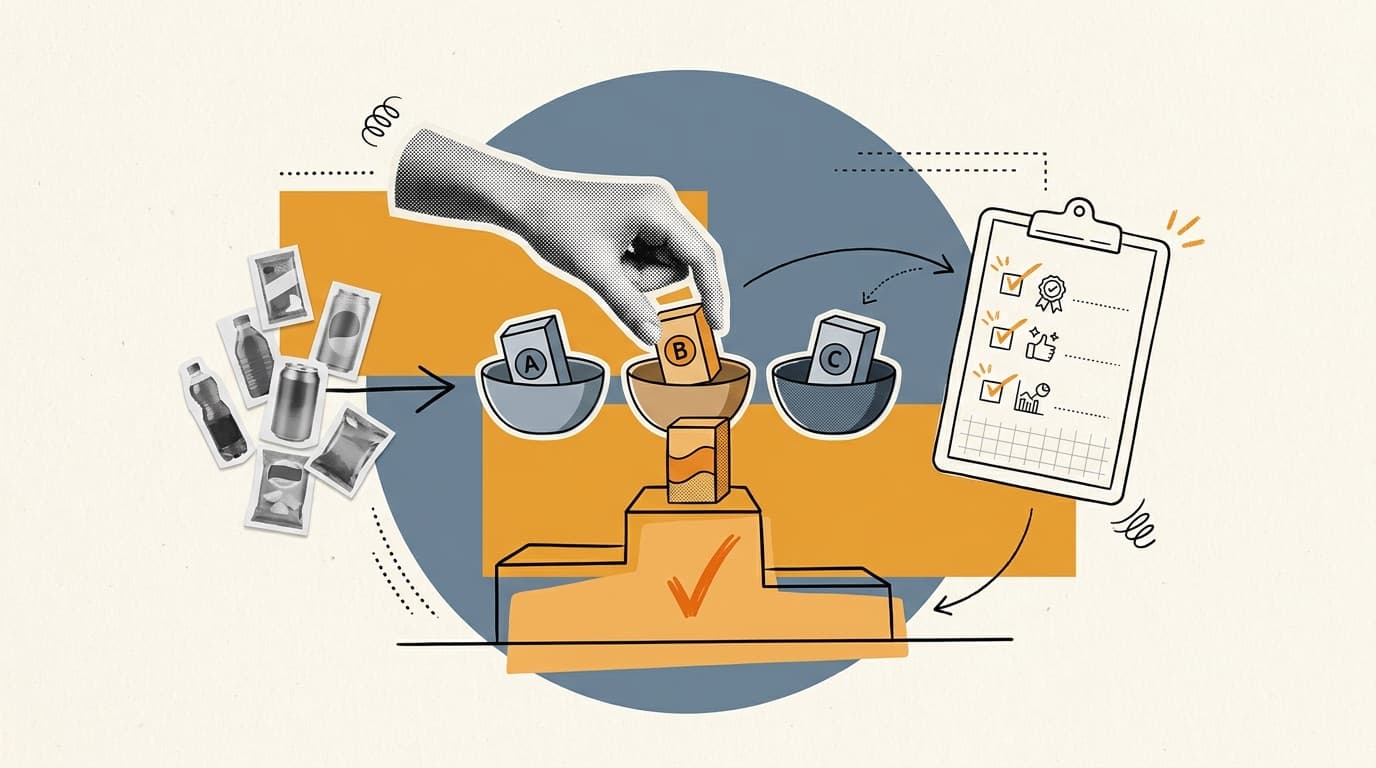
Brands are 6.5x more likely to be cited through third-party sources than their own domains. This is the fundamental shift from traditional SEO, where your own website was the primary ranking asset. In AI visibility, your site is a supporting document. The primary asset is what other people say about you.
SE Ranking's data: domains with profiles on Trustpilot, G2, Capterra, Sitejabber, and Yelp get cited by ChatGPT 3x more often than sites without that presence. Perplexity's algorithm weights authoritative list mentions at 64%, online reviews at 31%, and awards at 5%. Your homepage content barely registers next to what others say about you.
Community presence amplifies everything else
Domains with millions of brand mentions on Quora and Reddit get cited roughly 4x more often than those with minimal activity. Reddit consistently appears as one of the most-cited websites across ChatGPT, Perplexity, and AI Overviews.
Ahrefs puts YouTube mentions and branded web mentions as the top two factors correlating with AI brand visibility across ChatGPT, AI Mode, and AI Overviews. If your category has substantive YouTube reviewers, getting your product into their hands beats most paid acquisition channels for AI visibility lift.

Want to get recommended by AI?
Check your AI search visibility, then let the Honeyb agent write, fix, and earn what gets you recommended. Free to start.
What citable content actually looks like
Growth Memo found ChatGPT is more likely to cite content with these specific characteristics:
- Definite language. "X works because Y" gets cited. "X arguably works, depending on context" doesn't.
- Question marks. Content that answers a real question gets cited more than content that wanders.
- High entity density. Specific products, companies, features. Names AI models can extract cleanly.
- Verifiable facts mixed with informed opinion. Pure opinion gets ignored. Pure fact-dump gets paraphrased without attribution.
- Simple, scannable structure. Headers, lists, short paragraphs.
Listicles get cited at a 25% rate versus 11% for blogs and opinion pieces. Content with "best," "top," and "vs" in the title drives the highest AI referral traffic. The format isn't dead. It's the format AI models trust to extract from.
Page speed is a citation factor now
Pages with First Contentful Paint under 0.4 seconds average 6.7 citations from ChatGPT. Pages over 1.13 seconds drop to 2.1. Fast pages get cited 3x more often than slow ones, holding everything else equal. This is the cheapest lever on the list: most of the cost is in measuring honestly and then deciding what to cut from your homepage.
Earned media: the 325% number
Distributing content to a wide range of publications increases AI citations by up to 325% compared to only publishing on your own site. PR and earned media aren't just brand awareness work anymore. They're directly relevant to whether your brand gets named when a buyer asks an AI for recommendations in your category.
What this actually means for strategy
The playbook is unglamorous: build authority through third-party validation, maintain active community presence, create structured and factual content, keep your site fast, distribute through earned media. Five things. None of them new. All of them weighted differently than they were in 2022.
What is new is the order. Third-party validation now sits above on-page SEO. Reddit and YouTube sit above your own blog. Page speed sits above keyword density. The brands winning in 2026 are the ones doing the unglamorous work in the new order. For turning these signals into a competitive plan, see our guide on how to beat competitors in AI chatbots.
For the framework that organizes these signals into a quarter-by-quarter plan, see our pillar guide on generative engine optimization.