For most of my career, SEO meant Google. Other search engines were a rounding error. That era has now ended. ChatGPT has become the starting point for millions of buyers, and it uses Microsoft's Bing for all of its live web searches, a default partnership confirmed in 2023. This simple fact has profound consequences, because it means your rank on Bing is now a direct driver of AI visibility, forcing marketers to look beyond their Google-only strategies.
This reliance on Bing rewrites the rules of what we call answer engine optimization (AEO, or: getting the robot to name you before it names anyone else), creating a new, urgent reason to care about a search engine many had written off. The connection, first reported as a possibility in early 2023 by outlets like CMSWire, is now a fundamental part of how the chatbot works when it needs information beyond its training data.
Why ChatGPT Relies on Bing, Not Google
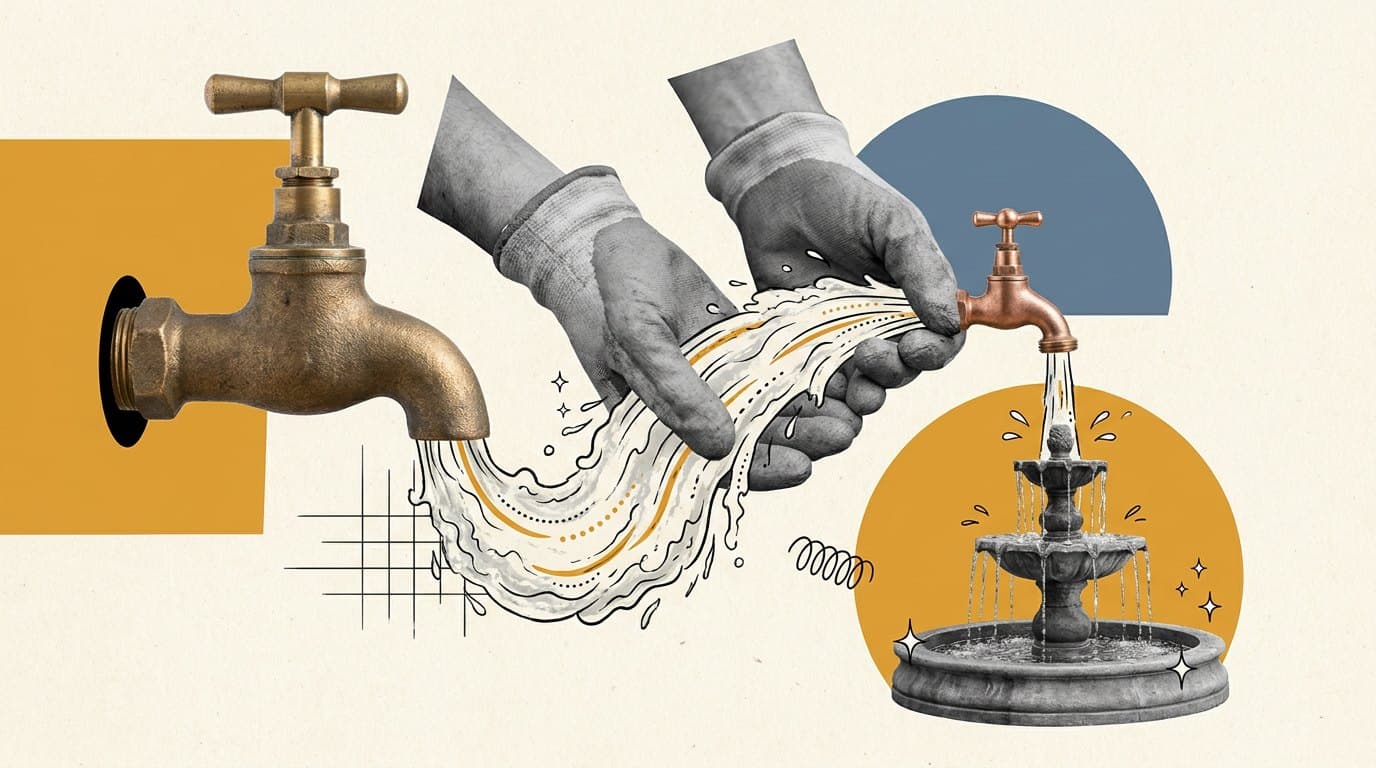
The choice of Bing is not a technical preference but a strategic one, rooted in the deep partnership between OpenAI and Microsoft. Microsoft has invested billions of dollars in OpenAI and provides the vast Microsoft Azure cloud infrastructure that ChatGPT runs on. Making Bing the exclusive search provider for ChatGPT was a natural, and powerful, extension of this alliance. It gives Microsoft's search engine a vital role inside the world's most popular AI chatbot, creating a powerful moat against Google's dominance in both search and AI.
It means any of the millions of people asking ChatGPT for recommendations, product comparisons, or market research could be getting an answer sourced directly from Bing's index. For brands, this makes optimizing for Bing less of a choice and more of a necessity for reaching customers who begin their journey with AI.
How Often ChatGPT Searches (and Why It Matters)
ChatGPT searches the web for a small but vital fraction of queries. An Ahrefs study found it triggers a search for just 14.4% of prompts, but this slice often contains the highest-value commercial questions where visibility on Bing is paramount.
The queries that trigger a web search are often those with the highest commercial intent: questions about recent products, current events, or specific recommendations where its training data is likely stale. A recent PYMNTS Intelligence report found nearly 61 million U.S. consumers now start their retail research with AI. That is a nation of buyers whose first contact with your market may now be happening through an AI answer sourced from Bing.
When these high-value users ask a question that prompts a search, Bing is the sole gatekeeper to the answer. The 14.4% is not a measure of irrelevance; it is the slice of the market where your Bing performance directly dictates your AI visibility.
This slice of the market is also notoriously volatile. Research from SparkToro found less than a 1-in-100 chance that two identical runs would return the same brand list. Our own measurements at Honeyb confirm this: in a July 2026 study, the top recommended brand changed between back-to-back identical runs 35% of the time on ChatGPT. The answer your customer sees today may not be the answer the next customer sees tomorrow, making your presence in the underlying Bing results even more critical.
ChatGPT's Reliance on Bing: The Numbers
Bing
Exclusive Search Index
When ChatGPT performs a live web search, it uses Microsoft's Bing index exclusively.
14.4%
Answers Using Web Search
Share of 66.6M ChatGPT responses that involved a web search query. Source: Ahrefs, Oct 2026.
61Million
US AI Shoppers
Number of U.S. consumers who now begin their online retail research with AI assistants. Source: PYMNTS, Oct 2026.
This creates two parallel ecosystems for marketers to navigate, each powered by a different search giant:
| Engine | Role in ChatGPT | Role in Google AI Overviews | Marketer's Focus |
|---|---|---|---|
| Bing | Exclusive search index for all live web results. | None. | Secure top rankings to influence ChatGPT citations. |
| None. | Exclusive search index for all live web results. | Secure top rankings to influence AI Overview citations. |
How Bing Rankings Translate into ChatGPT Citations
A high Bing rank is critical for inclusion in ChatGPT's answers. A Seer Interactive study found 87% of its citations came from Bing's top 10 results, meaning you are not just competing for a click, but for the chance to be part of the AI's consensus reality.

Want to get recommended by AI?
Check your AI search visibility, then let the Honeyb agent write, fix, and earn what gets you recommended. Free to start.
This matters because the signals that drive AI visibility are often found off your own website. A high Bing rank gets you into the source material, and research from Ahrefs shows AI visibility correlates most strongly with third-party mentions and video content, not just on-page optimization. The conversation about your brand on other sites, not just your own content, is what increasingly forms the AI's opinion of you.
How Should I Adapt My SEO for Bing?
Adapting to this new reality requires a three-step plan: auditing your Bing presence, optimizing for the sources it trusts, and consistently tracking your AI visibility.
Your first step is to audit your standing on Bing, which means going beyond a simple rank check. While you should use Bing Webmaster Tools for technical snags, the real work is a competitive analysis for your key terms to see not just who ranks, but who ChatGPT actually cites.
A structured process, like the one in our AI visibility audit guide, can reveal your biggest gaps and opportunities by mapping your content against the AI's preferred sources.
Second, optimize for the sources ChatGPT is most likely to cite. Instead of broad on-page work, focus on earning mentions on pages that already rank in Bing's top five for your target terms. This could mean targeted digital PR, contributing expert commentary to articles, or ensuring your product is accurately represented in popular listicles and reviews.
While technical fundamentals like fast load times and a clean site structure are table stakes (the minimum needed to even play the game), influencing the AI's consensus reality means getting into the conversation on the pages it already trusts.
Third, and most critically, track your performance consistently. AI answers are not static, so relying on manual spot-checks is a recipe for being blindsided. A systematic platform is the only way to monitor your brand's mentions in AI answers and measure your share of voice over time. This should include tracking not just mentions, but also sentiment, cited sources, and how your visibility compares to competitors. This data allows you to prove ROI and adapt your strategy.
The final piece of the puzzle is attribution. While ChatGPT provides citation links, their behavior can be inconsistent. As Search Engine Journal has reported, some of these links have been observed to drop their UTM tracking parameters, making it difficult to measure referral traffic directly in your analytics. This opacity reinforces the need for dedicated AI visibility tracking, rather than relying solely on traditional web analytics.
Is a Google-Only SEO Strategy Still Viable?
For any company selling a product or service, the conclusion is unavoidable: a Google-only SEO strategy is now a strategy with a significant blind spot. Your visibility to a growing segment of the market is being decided on a search engine you may not have seriously considered in years. Ignoring your rankings on Bing is akin to letting a competitor answer questions from your customers.
The first step is to treat Bing optimization as a parallel and equally important workstream to your Google efforts. This means auditing your site's performance on Bing, tracking your keyword rankings there, and understanding which competitors are being cited by ChatGPT as a result. The tactics are often similar to Google SEO, focusing on quality content and authoritative links, but the measurement and priority must change.
Understanding your brand's presence in AI answers is the new baseline for competitive marketing. The good news is that you can get an instant, data-driven snapshot. Use our free AI Visibility Checker to see how your brand shows up in the major AI engines today.
Sources cited in this report